
Field routes
Choose by what you want to notice.
These are synthetic route studies, not real navigation. They show how one image-led content contract can take on a distinctive site language.
Issue 01
Three landscapes, three kinds of attention
The arched image language comes from the art-direction pack; the component data stays ordinary and portable.
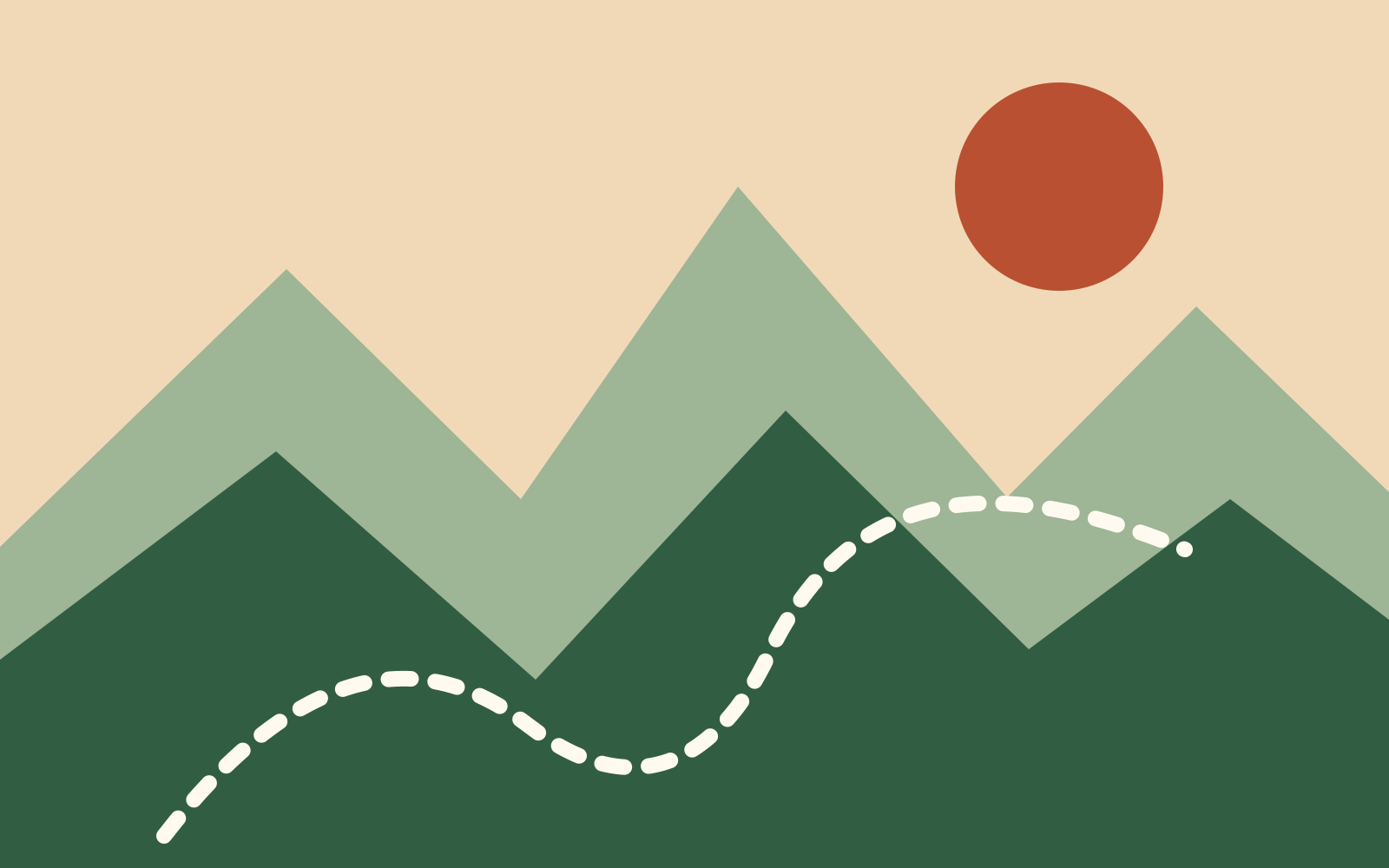
Ridge light circuit
A dawn study in long shadows, exposed stone, and the way distance changes as the light rises.
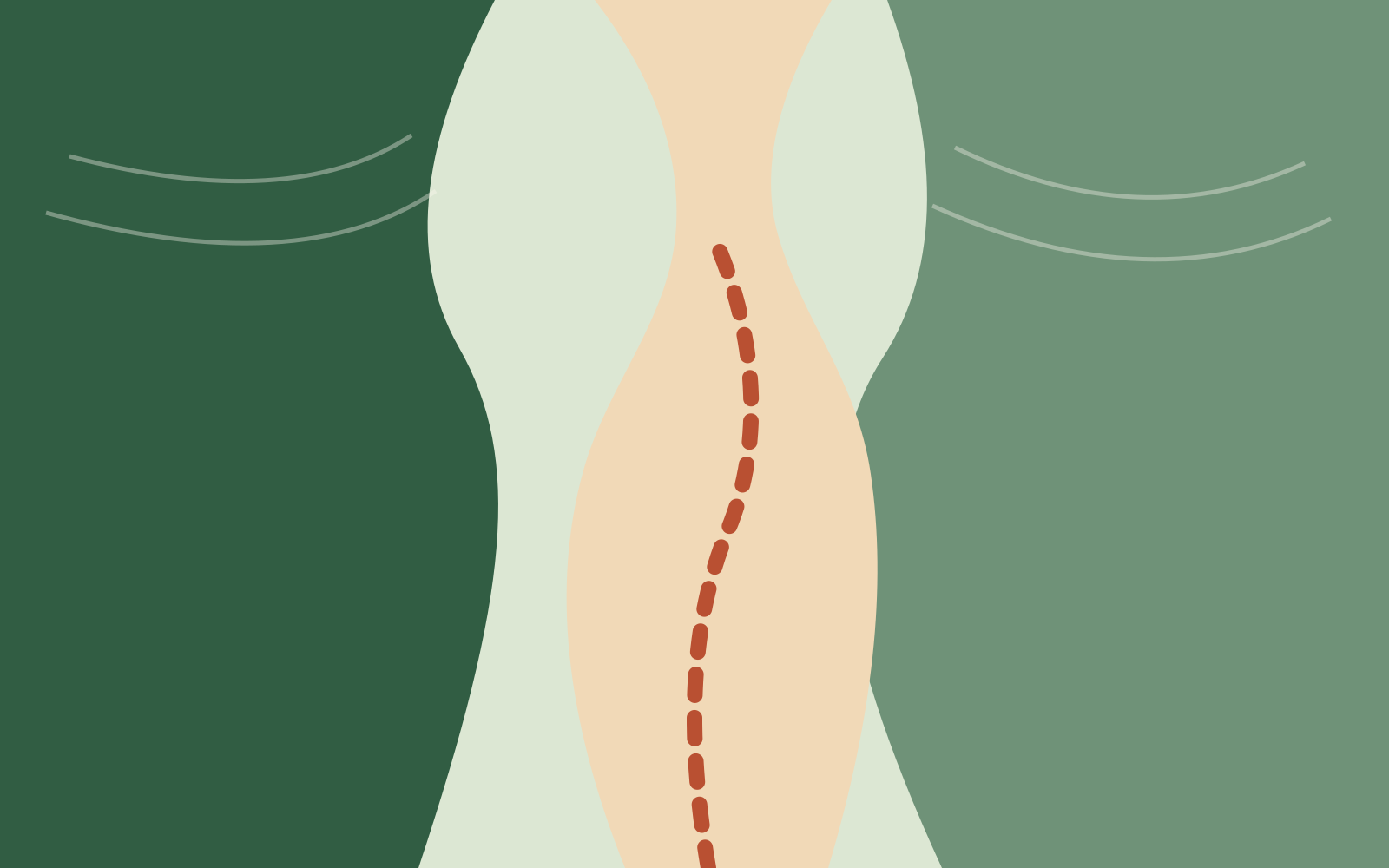
Fern canyon passage
A close-reading route where water, moss, and narrow walls reward a quieter walking pace.
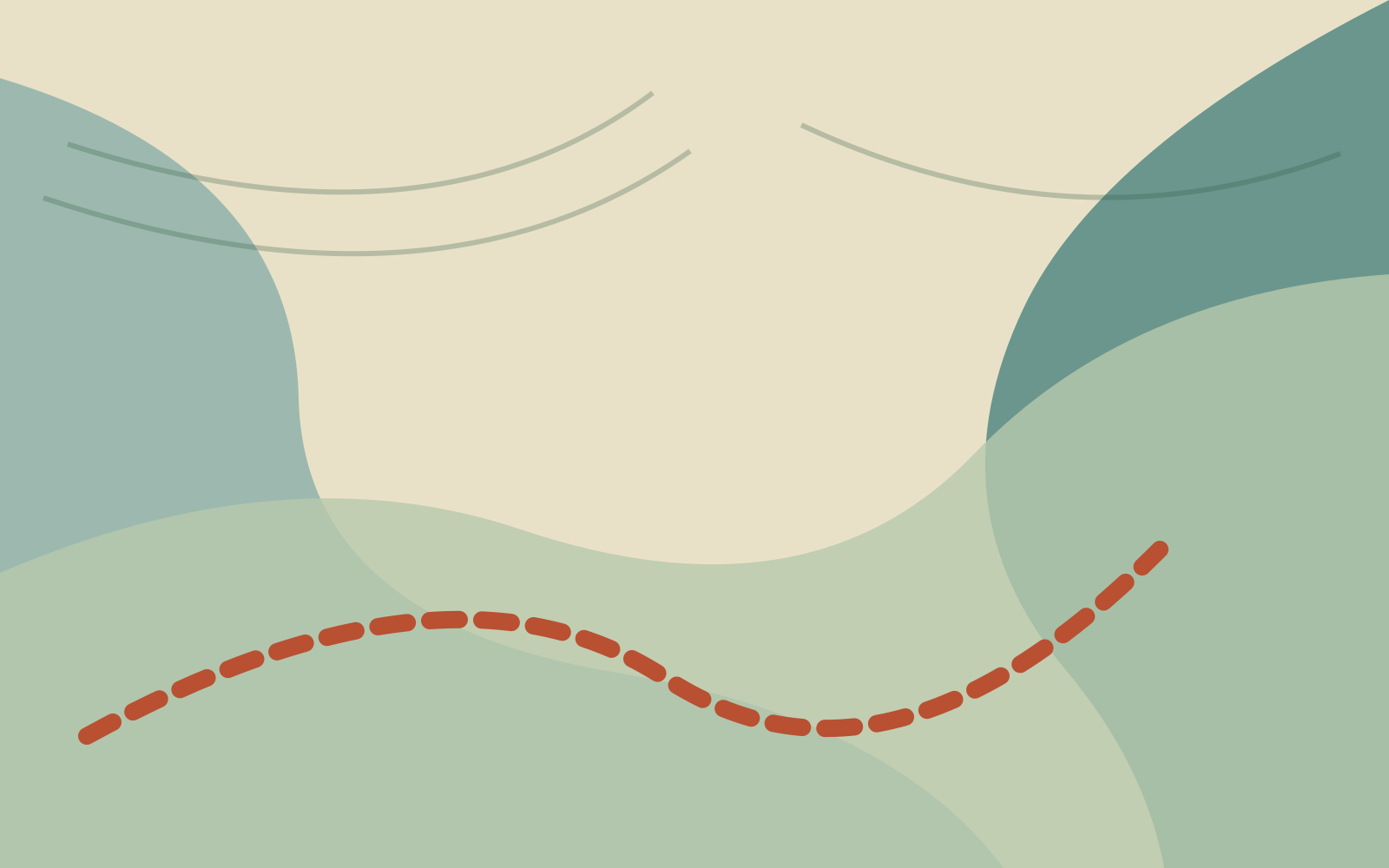
Estuary weather line
An open-horizon study of wind, shifting channels, and the meeting place between land and tide.
Route anatomy
Every study answers the same practical questions
Important distinction
These routes are design fixtures, not directions
Can I navigate with these pages?
No. Every place, distance, condition, and route detail is synthetic demonstration content.
Why make the examples feel real?
A believable editorial premise tests whether the component and art-direction contracts can support coherent storytelling.
What is actually being demonstrated?
Reusable Sights components, validated content, local imagery, semantic textures, geometry recipes, and decorative art roles.
Beyond the route
Read the notes that shape a day outside.
Field notes make observation and preparation useful beyond a single itinerary.